





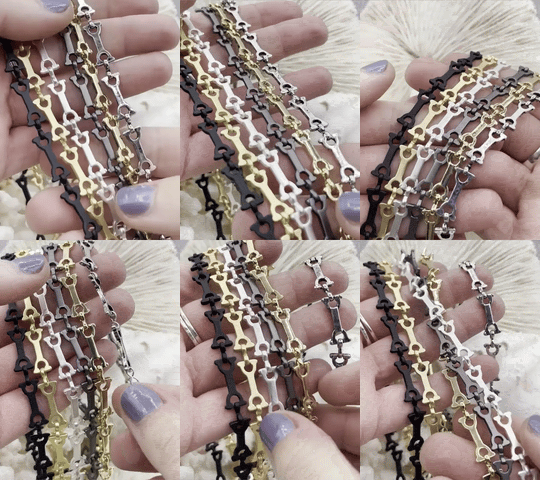


Versatile Construction
Cable links work with necklaces, bracelets, pendants, charms, connectors and layered jewelry, making the style useful for many different projects.

Discover versatile cable chain for necklaces, bracelets, pendants, charms and custom jewelry designs. BlingByA's cable-style chains include delicate and statement links in a variety of shapes, sizes, textures and metal finishes, giving jewelry makers flexible foundations for both classic and contemporary projects.
Choose a refined cable necklace chain for a pendant, a textured link for a more distinctive design, or a warm gold cable chain to coordinate with gold-toned charms, clasps and findings. Cable chain works beautifully on its own and can also be layered or combined with pearls, gemstones, connectors and other chain styles.
Browse the collection below to compare link dimensions, finish, construction and ordering details for each style. Select the chain that best matches the scale, weight and character of your next necklace, bracelet or jewelry-making project.
Cable chain is one of the most recognizable and adaptable chain constructions used in jewelry making. Its repeating interconnected links create a dependable foundation for necklaces, bracelets, charm jewelry and pendant designs. Depending on the style, the links may be round, oval, elongated, textured, delicate, substantial or combined with other link shapes.
For jewelry designers, the value of cable chain is its flexibility. A fine cable chain necklace can provide a subtle foundation for a small pendant, while larger links can become an important visual part of the finished piece. Gold-toned, silver-toned, brass and mixed-metal options also make it easier to coordinate the chain with clasps, charms, pendants and other components.
This collection guide explains how to compare cable chain styles, select an appropriate link size and finish, match chain with pendants and findings, and choose a chain for different jewelry projects. For a broader comparison of chain constructions, visit the BlingByA How to Choose Jewelry Chains guide.
A cable chain is constructed from a repeating series of individual links connected one after another. Traditional cable links are often round or oval, but modern jewelry-making versions can vary considerably in proportion, texture and scale. Some designs use compact links for a delicate appearance, while others use elongated or oversized links for a stronger statement.
The straightforward construction makes cable chain useful across many jewelry styles. It can serve as an understated base for a pendant, support multiple charms, become part of a layered necklace, or function as a decorative feature in its own right.
Cable links work with necklaces, bracelets, pendants, charms, connectors and layered jewelry, making the style useful for many different projects.
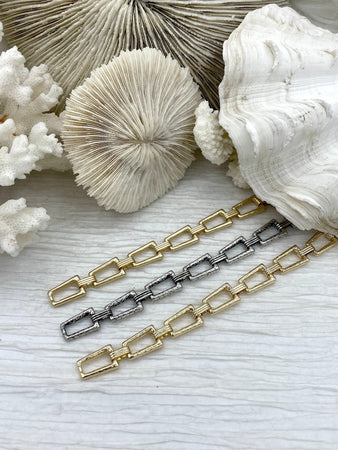
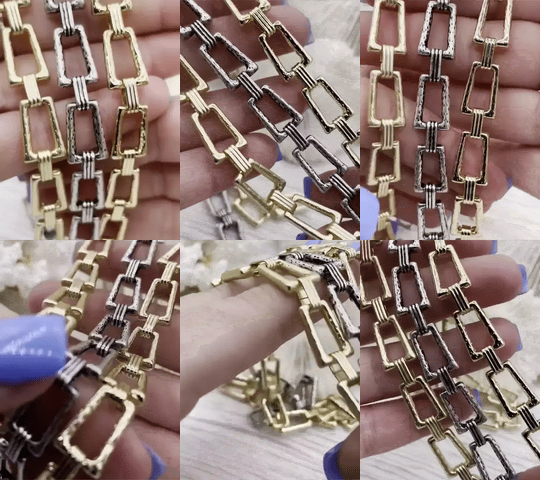
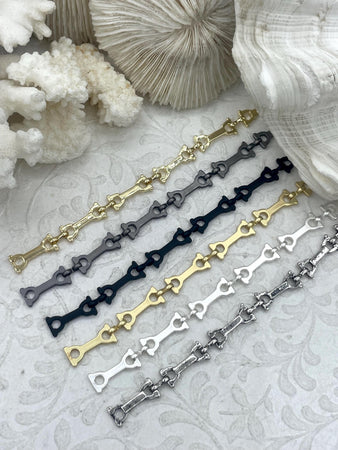
Designers can choose from small oval links, elongated links, textured links, mixed-link designs and heavier statement-scale cable chains.
Cable chain pairs naturally with decorative clasps, jump rings, pendants, charms, gemstones, pearls and mixed-metal jewelry components.
A delicate cable necklace can feel timeless and minimal, while oversized or textured links create a more modern statement.
Link size strongly influences the appearance of the finished jewelry. Fine links tend to feel delicate and understated, while larger links create more visual weight. When a pendant is the main focal point, choose a chain that supports it without competing for attention. When the chain itself is part of the design, larger or more decorative links may be appropriate.
Cable chain can include round, oval and elongated link shapes. Rounder links create a compact rhythm, while elongated links can make the chain appear more open. Mixed-link designs introduce additional variation and can work especially well in contemporary necklaces and charm-holder designs.
Smooth links create a clean, traditional appearance. Hammered, patterned or otherwise textured links reflect light differently and add visual detail. A textured chain can be particularly effective when the necklace uses only a simple pendant or clasp.
The chain should be substantial enough for the intended design. A very fine chain may not visually balance a large pendant, while a heavy chain can overpower a small charm. Consider both the physical weight and the visual weight of every component.
The finish affects the entire character of a design. Gold tones create warmth, silver and rhodium tones can feel crisp and contemporary, and brass or antique finishes can support vintage-inspired jewelry. Coordinate the chain with your clasp, jump rings and focal components for a cohesive result, or intentionally mix finishes for a layered look.
A gold cable chain is a versatile choice for jewelry designs that use warm metal tones. It can complement coin pendants, colorful charms, gemstones, pearls and decorative clasps while providing the familiar structure of classic cable links.
When planning a gold cable chain necklace, compare the exact finish of the chain with the other components in the design. Different gold-toned materials can vary in warmth, brightness and surface treatment. Coordinating these details helps the finished piece look intentional.
If you are creating a cable chain necklace gold design around a pendant, consider the pendant's size and bail opening before selecting the chain. A smaller pendant may pair naturally with finer links, while a larger pendant can often support a more substantial cable chain.
The ideal cable necklace chain depends on the finished necklace length, pendant size, desired visual weight and how the piece will be worn. A chain intended for a simple everyday pendant has different requirements from a statement necklace carrying several charms or decorative connectors.
| Design goal | Cable chain characteristics to consider | Common jewelry uses |
|---|---|---|
| Delicate necklace | Smaller links, lighter visual weight and a refined finish. | Small pendants, minimalist necklaces and layering. |
| Classic pendant necklace | Balanced link size with enough presence to complement the pendant. | Coin pendants, charms and everyday necklaces. |
| Charm-holder necklace | Links large enough to accommodate compatible connectors or findings. | Interchangeable charms, decorative clasps and personalized jewelry. |
| Statement necklace | Larger, textured, elongated or mixed-size links. | Bold necklaces and chain-focused designs. |
| Layered jewelry | A link scale and texture that contrasts attractively with other chains. | Multi-chain necklaces and mixed-material layering. |
Before cutting or assembling a necklace, determine the intended finished length. BlingByA's Jewelry Chain Length Guide explains common necklace lengths and how they sit when worn.
One of the simplest ways to use cable chain is as the foundation for a pendant necklace. Browse BlingByA pendants and compare the focal piece with the chain's width, link shape and finish. Always confirm that the pendant bail or connecting ring is compatible with the selected chain.
Coin pendants can create a vintage-inspired or statement focal point on cable chain. A balanced link size allows the pendant to remain prominent while giving the necklace enough visual structure. Explore coin pendants for additional design possibilities.
Cable links can provide attachment points for individual charms or a collection of smaller decorative elements. Larger links are especially useful when the chain itself is intended to become part of the charm arrangement.
A clasp does not always need to remain hidden at the back of a necklace. Decorative closures can become part of the design, particularly with larger-link chains. Browse spring gate clasps and jewelry clasps and findings when planning the finishing components.
A cable necklace can be layered with other chain structures, pearls or hand-knotted necklaces. Varying the chain length, link scale and texture helps each layer remain visually distinct instead of blending into a single line.
Cable chain is not limited to necklaces. The same link construction can be adapted to bracelets, anklets, charm pieces and mixed-media designs. The most important consideration is selecting a chain that fits the function of the finished piece.
Use cable chain alone, add a focal pendant, attach charms or combine multiple chain styles for layered designs.
Choose a comfortable link size and secure clasp, keeping in mind that bracelets experience frequent movement and contact.
Appropriately sized cable links can provide useful attachment points for charms, connectors and decorative clasps.
Combine cable chain with pearls, gemstones, hand-knotted components or contrasting chain textures for more dimensional jewelry.
Cable chain and Rolo chain are related link styles and can sometimes look similar. Cable chain commonly includes round or oval links and may vary widely in proportion. Rolo chain is generally associated with rounded, relatively uniform links that create a more consistent repeating pattern.
Some jewelry chains combine characteristics of both styles. A chunky cable/Rolo chain, for example, can reasonably appeal to shoppers looking for cable chain, Rolo chain or a chunky chain because its construction and overall visual style overlap those categories. For product organization, a chain can therefore belong to more than one relevant collection when its physical design genuinely matches each category.
| Chain style | Typical visual character | Design considerations |
|---|---|---|
| Cable chain | Repeating round, oval or elongated interconnected links. | Highly versatile for pendants, charms, necklaces and bracelets. |
| Rolo chain | Rounded, usually uniform repeating links. | Works well for charms, pendants and classic chain designs. |
| Paperclip chain | Long, open elongated links. | Creates a modern look and often becomes a visible design feature. |
| Curb chain | Links designed to sit in a flatter, interlocking pattern. | Useful when a more substantial, structured appearance is desired. |
| Chunky chain | Oversized links with strong visual presence. | Best when the chain itself is intended to become a focal element. |
A basic cable chain necklace can be assembled by measuring the desired chain length, cutting the chain at the appropriate link and attaching compatible findings and a clasp. A pendant, connector or charm can then be added according to the design.
Beginners can follow the BlingByA Jewelry Design Academy tutorial How to Make a Necklace: A Step-by-Step Guide for Beginners for additional guidance on necklace construction.
The chain and pendant should look proportionate when viewed together. A large pendant on an extremely fine chain may feel visually unbalanced, while a tiny charm can disappear against an oversized statement chain. The opening of the pendant bail or connector must also physically fit the selected chain or connecting ring.
Use these points when matching components:
Care requirements depend on the chain material and finish, so always consider the specific product construction. In general, jewelry should be kept away from unnecessary moisture, harsh household chemicals, abrasive cleaners and products that may affect the finish.
Store finished cable chain jewelry so that necklaces do not become heavily tangled or rub against abrasive pieces. Check clasps, jump rings and connecting links periodically, particularly on jewelry carrying heavier pendants or multiple charms.
BlingByA focuses on affordable, quality jewelry supplies for makers and designers. The cable chain collection brings relevant cable-style links together so shoppers can compare options for necklaces, bracelets, pendants, charms and other custom projects without searching through broader chain categories.
Jewelry makers can also coordinate cable chain with BlingByA pendants, coin pendants, clasps and findings, CZ pavé charms and other jewelry-making components. Educational resources from the BlingByA Jewelry Design Academy provide additional guidance on chain selection, necklace length and jewelry construction.
Explore cable chain for necklaces, bracelets, pendants, charms and custom jewelry. Compare delicate links, statement styles, textured designs and gold-toned options to find a chain that complements your next project.

“Beautiful, great quality, fast delivery, very excited to use in my project. ” - Midori Kagan

“BlingbyA is my all time favorite shop. They are personable and always professional. This shops products are top notch. I am always thrilled like a child at Christmas when I receive my items in mail. If you are looking for great service and awesome products this is definitely the place to shop. I will be a lifetime customer. Thank you for always bringing a smile to me. May all your successes be great. Highly recommend. 😊❤😊 ” - LeahAnne Sease

“Items as expected. Very nice for the price. Would order these again. The gun metal are my favorite. ” - Barbara Lyons